
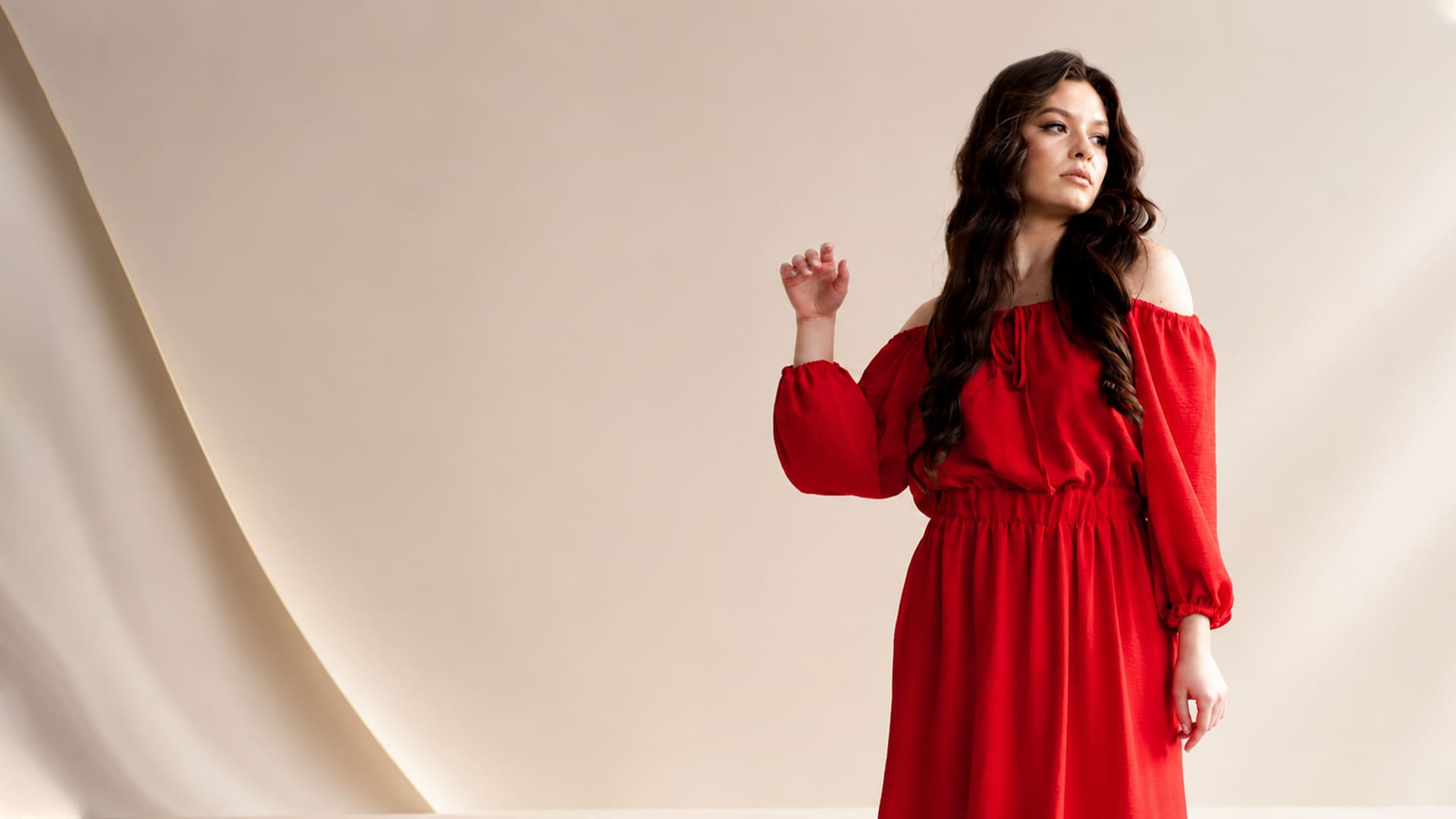
The Forgotten Details That Can Make or Break a Dress
You come across a dress that catches attention immediately. Everything about it seems amazing! The color works, the silhouette looks promising, and the overall design seems exactly right. However, when you wear it, something seems off. You may not be able to identify the problem, but the dress fails to create the impression that you expected.
Often, the issue is not the obvious design. It is hiding in the details.
A neckline sitting slightly too high, a waist seam falling in the wrong place, awkward pocket placement, or even an unsuitable lining can change how a dress looks and feels. These smaller elements rarely receive the same attention as color, length, or pattern, yet they can have an enormous influence on the finished outfit. Here are the frequently forgotten details worth checking before deciding whether a dress truly works for you.
Great Dresses Are Built on Small Decisions
The features you notice from a distance becomes the starting point when choosing a dress or shopping for it. The things that are generally considered include color, print, sleeve style, length, and general shape as well.
However, a dress is a collection of smaller design decisions. Every seam got a purpose. Visual balance is affected by every button. Movement is influenced by every opening. How comfortably and confidently you wear a dress depends on every detail hidden inside the garment.
Thus, you must look beyond the obvious. This will help you understand why some dresses become wardrobe favorites, whereas, others stand untouched in your wardrobe.
1. Where the Shoulder Seam Actually Sits
The appearance of a dress is completely influenced by the shoulders, especially if the dress design has a structured upper section. You should always look at where the shoulder seam falls. If the dress is traditionally fitted, it should generally sit naturally around the edge of your shoulder rather than pulling toward your neck or dropping unintentionally down your arm.
Of course, some dresses deliberately use dropped shoulders or unusual construction. The important distinction is whether the placement appears intentional. Incorrect shoulder positioning can affect more than appearance. It may cause pulling across the chest, restrict movement, or make sleeves sit awkwardly. Before judging the entire dress, check the shoulders. Sometimes the problem you notice elsewhere begins there.
2. The Neckline Changes the Entire Frame
Necklines are easy to notice but surprisingly easy to underestimate. The neckline creates a visual frame around your face and upper body. A small change in its width, depth, or shape can dramatically alter the impression of a dress.
Some necklines create openness, while others provide more coverage and structure. Neither is automatically better. What matters is whether the neckline works with the overall silhouette and feels comfortable for the occasion. Also check what happens when you move.
A neckline that looks ideal while standing still may shift when you sit, bend, or raise your arms. If you constantly need to adjust it, the design may become frustrating regardless of how attractive it initially appears.
3. Waist Placement Deserves More Attention
A defined waist can look beautiful, but only when it falls in a position that works with the intended design. Even a difference of a few centimeters can change the proportions of a dress. If a waist seam sits too high or low, the bodice may bunch, the skirt may begin at an awkward point, or the overall silhouette can appear unbalanced.
Do not assume the marked waist has to match your natural waist exactly. Some designs intentionally position it elsewhere to create a particular shape. Instead, look at the complete silhouette. Does the placement create proportions you like? Does the fabric fall smoothly above and below it? Can you sit comfortably without the seam shifting?
These questions reveal far more than simply checking the size label.
4. Seams Can Quietly Transform the Shape
Seams are not merely there to hold fabric together. Designers can use them to create structure, shape, and visual direction. Vertical seams may encourage the eye to travel along the body. Curved seams can help create definition. Horizontal seams divide the garment into sections and influence its proportions.
Poorly positioned seams, however, can have the opposite effect. Check whether the seams lie flat. Look for puckering, twisting, or pulling. If the dress has matching seams on both sides, see whether they appear reasonably balanced.
Printed dresses deserve additional attention. Pattern alignment around prominent seams can influence how cohesive the finished garment appears. These are subtle features, but once you begin noticing them, they become difficult to ignore.
5. Sleeve Openings Affect Comfort More Than Expected
A sleeve might look beautiful while your arms are resting naturally, but what happens when you actually move? Raise your arms. Reach forward. Bend your elbows. Sleeve openings that are too restrictive can turn an attractive dress into something you avoid wearing. Excessively loose openings may create different concerns depending on the design.
The sleeve should also work visually with the rest of the garment. Voluminous sleeves can create a striking focal point, but they need balance elsewhere. A fitted sleeve can create cleaner lines but should still provide enough freedom for normal movement. Comfort and appearance should work together. You should not have to spend an entire day limiting your movements because the sleeves looked good in the mirror.
6. The Lining Can Change Everything
One of the easiest details to overlook is hidden inside the dress. The lining. A thoughtfully chosen lining can improve coverage, help fabric fall more smoothly, and reduce uncomfortable friction against the body. It may also provide additional structure where the outer material needs support.
Check how far the lining extends. If it ends significantly above the outer skirt, the difference may become visible under certain lighting. If it twists independently from the outer fabric, you may find yourself repeatedly adjusting the dress. Also consider weight. A heavy lining underneath a lightweight dress can interfere with natural movement, while a thin lining may not provide the coverage you expected.
What you cannot immediately see can still influence everything you do see.
7. Zippers, Buttons, and Closures Matter
Closures are functional details, but they are also part of the design. A zipper should move smoothly without constantly catching nearby fabric. Buttons should feel appropriately attached, and buttonholes should be neatly finished. Pay particular attention to areas under tension.
If a button-front dress pulls between closures while you move, small gaps may appear even when the garment fits. Similarly, a zipper that struggles around a particular seam may become frustrating over time. Hidden closures should remain relatively discreet when that is their intended purpose. Decorative closures, meanwhile, should feel connected to the overall style rather than added as an afterthought. Test everything before committing to the dress. Open it, close it, sit down, and move around.
8. Pockets Need the Right Placement
Pockets sound like an automatic advantage. Sometimes they are. But placement makes a considerable difference. Pockets positioned at the wrong angle can add unwanted bulk around the hips or interrupt the natural fall of a skirt. They may also gape when empty or become noticeable through lightweight fabrics. Put your hands inside them and observe what happens to the silhouette.
Do they sit naturally? Does the dress pull? Can you actually use them without changing how the garment hangs? Functional details should support the design rather than fight against it. When pockets are incorporated thoughtfully, they can be practical without dominating the dress.
9. The Hem Needs to Behave When You Move
Hem length receives plenty of attention, but hem behavior receives much less. Walk around while wearing the dress. Does the hem remain relatively even? Does one section repeatedly turn upward? Does the skirt rise significantly with normal movement? Does the lining become visible?
Construction and fabric weight can influence how the bottom of a dress behaves. The footwear you plan to wear also matters because different shoes change your posture and the visual relationship between your legs and the hem. Do not evaluate length only while standing appropriately still in front of a mirror. A dress exists in motion, so test it that way.
10. Fabric Transparency Can Surprise You
A dress can look completely opaque indoors and suddenly become far more revealing in brighter surroundings. Before wearing a lighter or thinner fabric, check it under different lighting when possible. Pay particular attention to areas where the material stretches slightly because this can alter opacity.
The solution does not always need to involve thicker fabric. Appropriate lining, thoughtful layering, or suitable undergarments may provide the coverage you want. The important thing is discovering the issue before leaving home rather than halfway through an event. A quick lighting check can prevent unnecessary discomfort later.
Look Beyond the First Impression
Finding the right dress is not only about spotting an attractive color or falling for an interesting silhouette. The smaller elements deserve just as much attention. Shoulder placement affects structure. Necklines create balance. Seams shape the silhouette. Linings influence movement and coverage. Closures determine practicality. Pockets alter shape. Hems behave differently once you start walking.
Individually, each detail may seem minor. Together, they determine how the dress actually performs. So, the next time a dress looks beautiful but somehow feels wrong, Introspect before dismissing it. Look closer. Move around. Check the construction. Pay attention to what happens beyond the mirror. Because sometimes, the smallest detail is exactly what makes a dress worth wearing.