
The Dress Length Dilemma: Mini, Midi, or Maxi for Your Plans?
When you’ve already decided what to wear, it should make getting ready easier. Isn’t it? But another question that pops in is, “How long a dress should be?” While a mini feels playful and energetic, you can get a balance between relaxed and polished with a midi. On the other hand, a maxi can bring movement and coverage, and creates a noticeable silhouette as well.
With each style having its own set of strengths, choosing between them becomes easier, if you’re considering where you’re headed, what you’re going to do, and how you want to feel at the end of the day. Don’t just try to find one universally ideal dress length. Rather focus on matching your dress to the plans you have.
You must understand how different lengths behave when choosing an outfit. From casual afternoons to dinners and celebrations, you can pick the correct dress with this one trick.
Dress Length Is About More Than the Hem
Where a dress generally finishes is described by the terms mini, midi, and maxi. Nevertheless, length has a much bigger impact that that! It can affect movement, proportions, footwear choices, layering, and the overall mood of an outfit as well.
Completely different impressions are created by two dresses with identical colors and similar necklines. This simply happens because one dress finishes above your knee, whereas, the other reaches your ankle. The height and body proportions of your body have a strong influence on where a particular dress falls.
While a midi dress generally finishes around mid-calf on one person, on another, it may finish near the ankle. Don’t just focus on the category that is printed on the product description. Rather consider where the hem is actually falling on you. This is exactly where real styling decisions begin.
Understanding the Mini Dress
A shorter and often more energetic silhouette is created by a mini dress, which generally finishes above the knee. This is simply because more of the leg is visible. Thus, your footwear becomes a noticeable part of the entire outfit, giving you enough opportunities for changing the overall mood.
Your mini outfit can feel casual if you simply pair them with flat shoes. When you add boots, it becomes even more structured. Want an evening-ready look? Wear your dress with a pair of heels.
With more coverage on the upper half, mini dresses can also balance particularly well. Interesting contrasts with shorter hems are created, with longer sleeves, higher necklines, or structured layers as well. The key here is to choose a length that allows comfortable movement. You should not spend your entire day constantly adjusting your dress altogether.
When Does a Mini Make Sense?
For social occasions where movement and a relaxed sense of style are part of the overall plan, mini dresses end up working particularly well. Events like casual gatherings, daytime outings, informal celebrations, dinners, or evenings are ideal. In such events, you want your outfit to feel lively and not overly formal.
However, occasion is just another consideration. The more important question is what you’ll be doing. A few important questions to ask yourself include:
- Will you spend hours sitting?
- Will you need to climb stairs frequently?
- Will you be walking long distances?
- Will you need to bend or move around regularly?
Once you start moving, even a mini that feels comfortable while standing in front of the mirror may require much more attention. Performing a quick movement test is always the safer option before deciding on anything.
Sit, walk, turn, and reach. Are you moving comfortably without repeatedly checking the hem? Then the dress is of workable length.
Styling a Mini Without Overcomplicating It
Complicated styling is not a necessary need in a mini dress, as it already creates a strong proportion. Start with footwear first. You can create contrast with the shorter hem by picking shoes with a heavier design. On the contrary, a streamlined footwear can keep the silhouette lighter.
The proportions can change significantly with outer layers. The attention stays around the waist, with a cropped jacket. An interestingly contrasting length is created, if you’re opting for a longer coat. Accessories should follow the personality of a dress.
Keep your accessories relatively simple, if your mini is already having bold sleeves, texture, or pattern. If the design is minimal, you can create a focal point with jewelry or an interesting bag. Your objective should be to create balance and not simply adding more.
Understanding the Midi Dress
The midi occupies the space between short and floor-length dressing, typically finishing somewhere below the knee and above the ankle.
Its greatest advantage may be versatility. A midi can feel relaxed enough for daytime plans while still transitioning easily into a more polished setting. Change the footwear, bag, or outer layer, and the same dress can take on a very different character.
However, hem placement becomes particularly important with midi dresses. Because the dress finishes somewhere around the lower leg, even a small difference in length can noticeably alter the proportions. Try several variations when possible. A hem that finishes slightly higher or lower may create a completely different silhouette.
When Does a Midi Work Well?
If your day includes several different activities, a midi can be an especially practical choice. Perhaps you are meeting someone for lunch, walking around afterward, and heading somewhere slightly dressier in the evening. Instead of planning multiple outfits, a versatile midi can often move between these situations with a few styling changes.
It also works well when you want additional coverage without wearing a full-length dress. For occasions that sit somewhere between completely casual and noticeably formal, the midi naturally occupies that middle ground.
Again, movement matters. Some narrow midi skirts can restrict your stride, while flowing versions allow considerably more freedom. Slits, pleats, stretch, and fabric weight all influence how comfortable the dress will feel. Length alone never tells the complete story.
How to Style a Midi Dress
Footwear can dramatically change the personality of a midi. Flat sandals or casual shoes can make the outfit feel easy and relaxed. Boots introduce visual weight. Heels can create a more elongated, refined appearance.
Pay attention to where the shoes and dress meet visually. If both the footwear and hem create strong horizontal lines around the lower leg, the proportions may feel divided. Sometimes a more streamlined shoe creates a smoother transition. Waist definition can also influence the overall silhouette. A belt, fitted bodice, or cropped layer can create structure when the skirt has significant volume.
For a straight or fitted midi, you may prefer softer or slightly oversized layers to introduce contrast.
Understanding the Maxi Dress
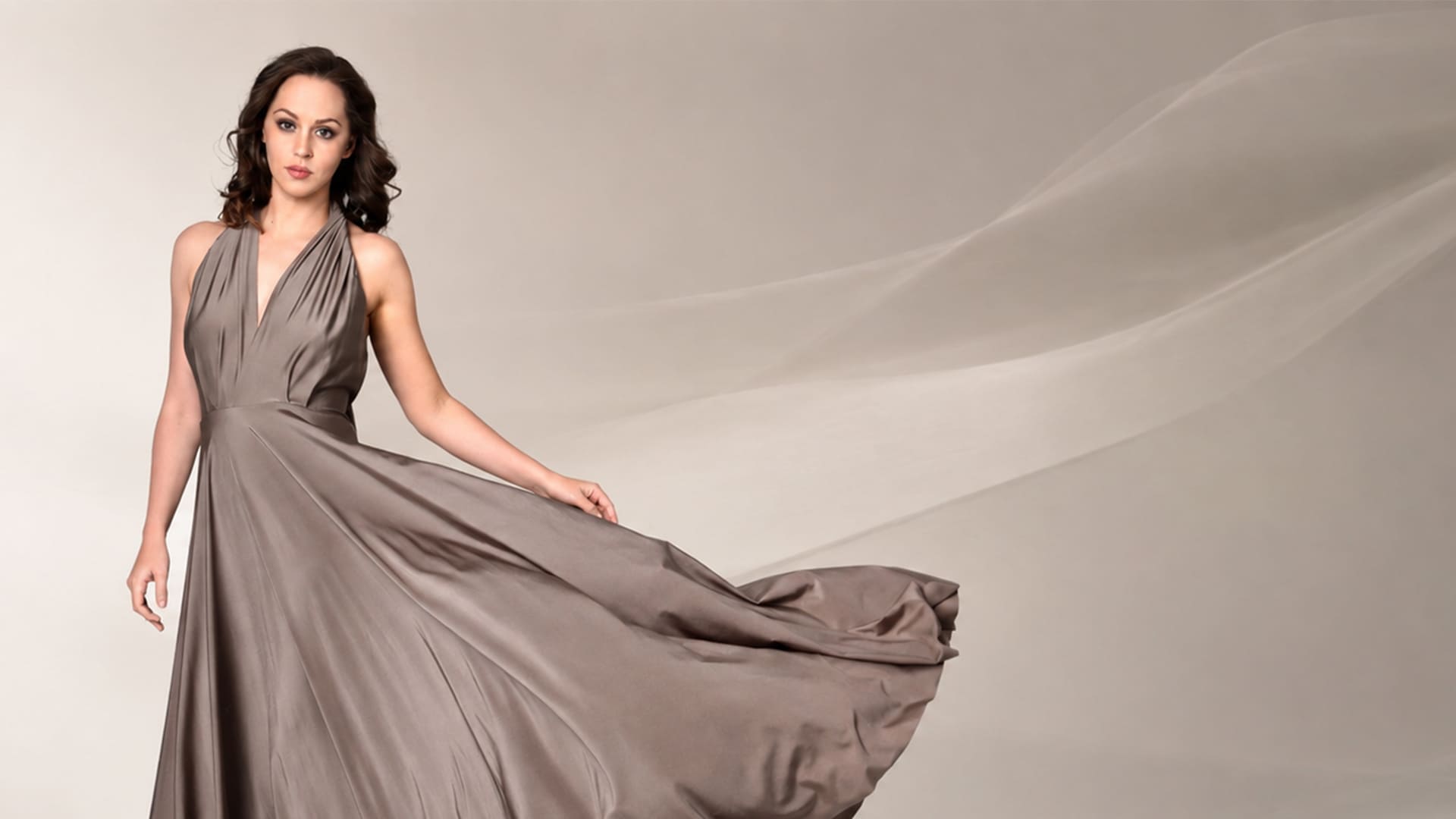
A maxi dress extends toward the ankles or floor, creating the longest of the three silhouettes. The additional fabric naturally creates movement, which can make even a simple design visually interesting.
Maxis are often associated with relaxed dressing, but they can easily shift between casual and more polished settings depending on fabric, construction, and styling. A lightweight flowing maxi may suit an easy daytime outing, while a structured version can feel appropriate for a dressier occasion.
Length becomes particularly important here because too much fabric around the feet can create practical problems. Ideally, you should be able to walk naturally without repeatedly lifting the skirt or worrying about stepping on the hem.
When Is a Maxi the Right Choice?
A maxi can be a strong option when you want coverage, movement, and an outfit that already feels visually complete. Long lunches, evening gatherings, relaxed celebrations, and occasions involving plenty of standing can all suit the silhouette.
Weather and surroundings deserve consideration too. A flowing maxi can feel comfortable in warm conditions when made from breathable fabric, but an excessively long hem may become inconvenient in wet, muddy, or crowded environments.
Think about seating as well. Very full skirts may require some adjustment when sitting, while narrower designs can restrict movement if they lack sufficient stretch or a slit.
Styling a Maxi Without Losing Your Shape
Because maxi dresses use more fabric, proportion becomes particularly important. If the dress is very flowing, adding some definition around the waist or upper body can prevent the silhouette from feeling overwhelmed. This does not always require a belt. A fitted bodice, defined seam, cropped outer layer, or thoughtfully placed accessories can create enough structure.
Footwear depends largely on the dress length and occasion. Flat shoes can maintain a relaxed mood, while elevated footwear may give the silhouette additional height and formality.
Let Comfort Make the Final Call
Style matters, but a dress becomes far less enjoyable when you cannot move naturally in it. The mini, midi, and maxi each offer different advantages. None is automatically more flattering, more stylish, or more appropriate than the others.
What matters is the combination of fit, proportion, fabric, footwear, occasion, and personal comfort. So, when the dress-length dilemma appears again, do not choose based only on the hemline you usually wear.
Think about your plans. Think about movement. Consider your shoes. Look at the complete silhouette. The right dress length should not make you spend the day thinking about your dress. It should let you get dressed and focus on where you are going.