
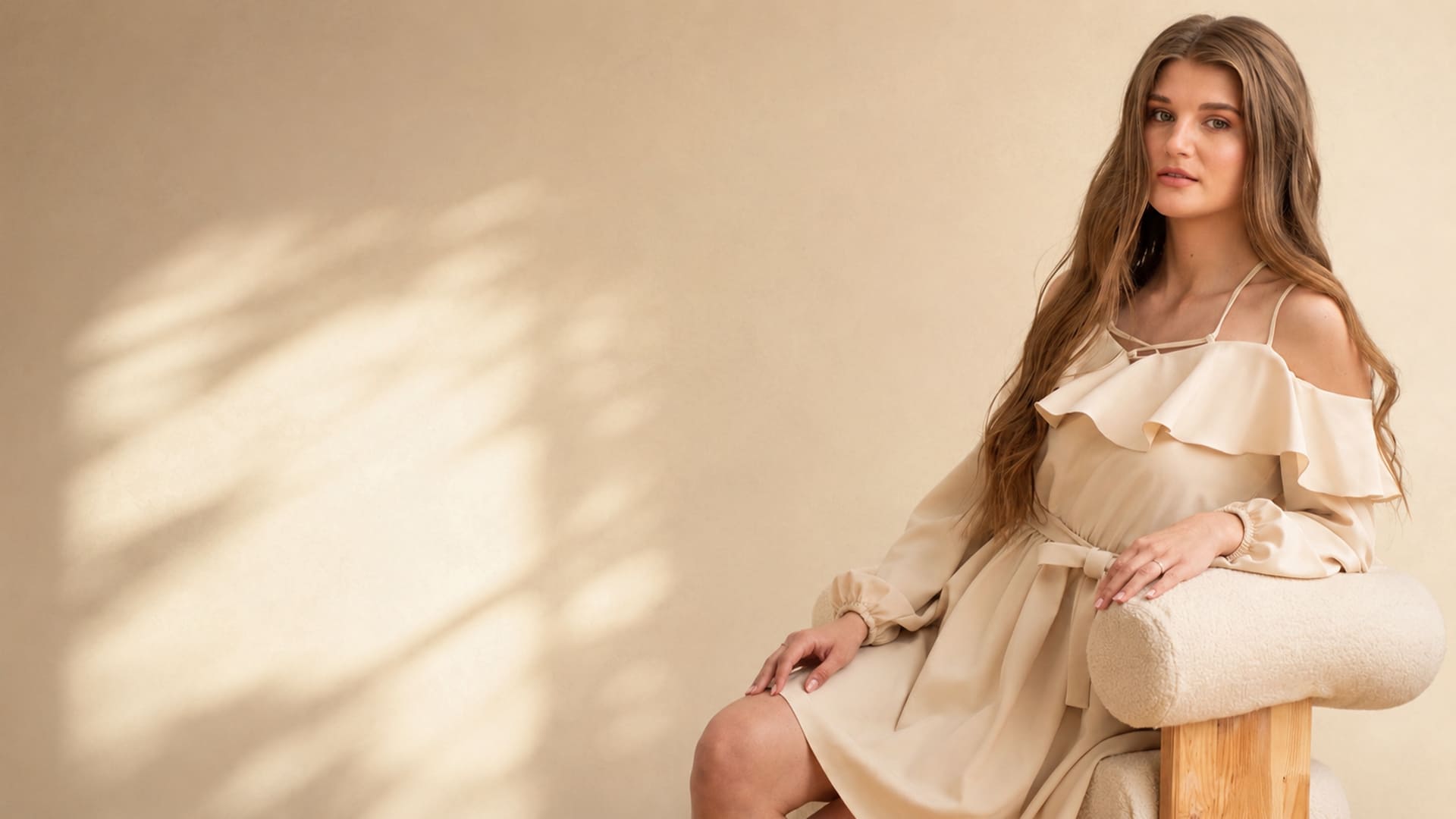
Can You Really Dress Up a Casual Dress? 8 Styling Ideas to Try
A casual dress is easy to wear, which earns it a place in your wardrobe. It takes you nothing but wearing it on, wearing a pair of comfortable shoes, grabbing your bag, to get ready and leave. But is it possible for the same dress to feel a little more polished?
No need to simply replace it with something completely different altogether. You can style it thoughtfully, and a simple casual dress can exude an entirely different and new personality. Shift the mood without making the outfit feel forced by simply choosing the right shoes, accessories, layers, and finishing touches.
So, is it really possible to dress up a casual dress? Well, in one word, absolutely. Let’s explore 8 practical styling ideas worth trying.
Why Casual Dresses Are More Versatile Than They Look
Don’t jump into changing anything, rather first look at what makes your dress casual in the first place. Is it the relaxed silhouette? Or the soft fabric? Maybe it’s the simple neckline, short hem, minimal detailing, or even the loose fit. Well, your dress isn’t limited to being an everyday outfit due to none of these aspects. You simply get a neutral starting point altogether.
Consider your dress as the foundation and not as the complete outfit. People notice the entire look, and thus, styling works appropriately! When you’re pairing a plain dress with casual footwear and an oversized tote, it naturally feels relaxed. When you’re putting the same dress with structured shoes, refined accessories, and a fitter outer layer, the overall impression automatically changes.
Here you must follow one simple trick. Choose additions that complement the dress. Your accessories must not compete with the dress at all.
1. Start With Shoes That Change the Mood
How dressy or relaxed an outfit appears is influenced directly by the pair of shoes that you wear. You can ensure a grounded and informal look by wearing a casual footwear. Want to elevate the same dress? Switch your footwear to something with a sharper silhouette or more refined detailing.
An obvious transformation is created by a pair of sleek heels. But heels are not the only option you have. You can wear pointed flats, elegant sandals, structured loafers, or polished ankle boots to make your casual dress feel far more intentional.
Before choosing your footwear, you must consider the shape and length of your dress. A flowing midi dress may pair naturally with streamlined sandals, while a shorter structured dress can work beautifully with loafers or boots. The goal is not simply to choose formal shoes. Choose footwear that creates visual balance with the dress.
2. Add a Structured Layer
Introducing structure to a casual dress is one of the easiest ways of changing it. You’ll find soft lines in a relaxed outfit, which is the main contributing factor to its everyday character. When you add a tailored outer layer, it helps in creating contrast and ensures that the outfit gets immediate definition.
Try a fitted jacket, cropped layer, tailored vest, or another structured piece that works with the silhouette of your dress. Pay attention to proportion. If your dress is loose and flowing, an oversized layer may make the entire outfit appear shapeless. A shorter or more fitted piece can define your frame while allowing the dress to retain its movement.
For a fitted casual dress, you have greater freedom to experiment with slightly roomier outerwear. This approach works particularly well when you want an outfit that can transition between different settings during the same day.
3. Let One Piece of Jewelry Shine
An outfit can be quickly elevated using accessories. However, abstain from adding everything at once, as it can make a simple dress feel overloaded. Instead, stick with one jewelry piece that will be the center of your entire look.
This can include statement earrings, a noticeable necklace, stacked bracelets, or even a distinctive ring. After selecting the focal point, you must keep your other jewelry quieter. With this, you end up creating visual hierarchy.
For example, if your dress has an open neckline, a necklace can fill the space beautifully. If the neckline already includes interesting details, earrings may be a better choice because they add personality without crowding the dress.
Also consider the fabric. Simple fabrics can provide an excellent backdrop for jewelry with texture, shape, or shine. You are not trying to hide the casual nature of the dress. You are adding an intentional detail that changes how the complete outfit is perceived.
4. Swap Your Everyday Bag for Something Structured
If you’re styling your dress thoughtfully, but reaching out for the same oversized everyday handbag that you carry everywhere, you’re simply returning the outfit to the casual territory. A surprisingly noticeable part of your overall look is occupied by your handbag.
So, choose a handbag that reinforces the direction you’re trying to create, when you’re dressing up a casual dress. Structured handbags, compact shoulder bags, clutches, and small crossbody styles can all work depending on the occasion.
Size matters as well. Smaller bags often create a more refined impression because they look less utilitarian. However, you should still choose something functional enough for where you are going. Look at shape, texture, hardware, and proportion rather than focusing only on color. A clean, defined silhouette can make even a relatively simple bag feel polished.
5. Define Your Waist Differently
As the silhouette of a casual dress is deliberately relaxed, it tends to feel informal. The outfit can be transformed by changing its shape. An easy place to start in this case is a belt. When you add one around your waist, you end up creating definition. It can also make a loose dress appear more structured.
You might choose something slim and subtle or even something wider, depending on your outfit. This becomes a part of the overall design. But belts are not the only solution you have. A similar visual break is offered by a cropped jacket.
Besides, you can also use strategic layering to change where the eye naturally focuses. The important thing is to work with your dress rather than forcing it into an unnatural shape. Some dresses look fantastic with waist definition, while others are designed to fall freely.
Experiment in front of a mirror and compare the complete silhouette rather than judging one detail in isolation.
6. Experiment With Texture
You can add more depth to your outfit with texture, if your casual dress is visually simple. Imagine a plain dress surrounded by equally plain accessories. The outfit may look clean, but it can also feel unfinished. Introduce contrasting textures and suddenly there is more visual interest.
You might combine a soft dress with a structured bag, smooth shoes, textured jewelry, or a lightweight outer layer with a noticeably different finish.
The contrast does the work.
You do not need several dramatic textures competing for attention. Often, one or two interesting materials are enough to make the outfit feel thoughtfully assembled. This technique is particularly useful when you prefer neutral or understated colors. Instead of depending on bright shades to create interest, you can use surfaces, finishes, and materials to give the outfit dimension.
7. Use Your Hair and Makeup as Part of the Outfit
Styling does not end at clothes and accessories.
Hair and makeup can influence whether your casual dress feels relaxed, polished, playful, or evening-ready. If you normally wear the dress with very natural styling, try a more defined hairstyle. A sleek ponytail, soft waves, tidy bun, or another intentionally finished style can subtly change the overall impression.
Makeup can work similarly. You do not need a dramatic transformation. A defined lip, more noticeable eye makeup, or simply a slightly more polished finish may be enough.
The key is consistency.
If your accessories and shoes communicate sophistication while everything else looks completely casual, the outfit can feel disconnected. When each element points in roughly the same direction, even a very simple dress can look deliberate and complete.
8. Choose Accessories According to the Occasion
The final step is knowing when to halt.
It is tempting to assume that dressing up means adding more. More jewelry. More layers. More shine. More accessories. Usually, thoughtful editing produces a stronger result.
Consider where you are actually going. A dinner, celebration, informal gathering, daytime event, and evening outing may each require a different level of styling. Start with your casual dress and choose two or three elements that clearly shift its mood.
Make Your Casual Dresses Work Harder
A versatile wardrobe is not necessarily one filled with endless options. It is one where individual pieces can adapt to different moments. Your favorite casual dress can be an ideal example. Try it with sharper footwear. Add structure. Introduce one striking accessory. Change your bag. Play with proportions and textures. Adjust your finishing touches.
More importantly, keep enough of the original simplicity that made you enjoy wearing the dress in the first place. Dressing up a casual dress should not mean disguising it. It should mean discovering another way to wear it. Sometimes, the outfit you thought you needed to buy is already hanging in your wardrobe. It simply needs a different supporting cast.